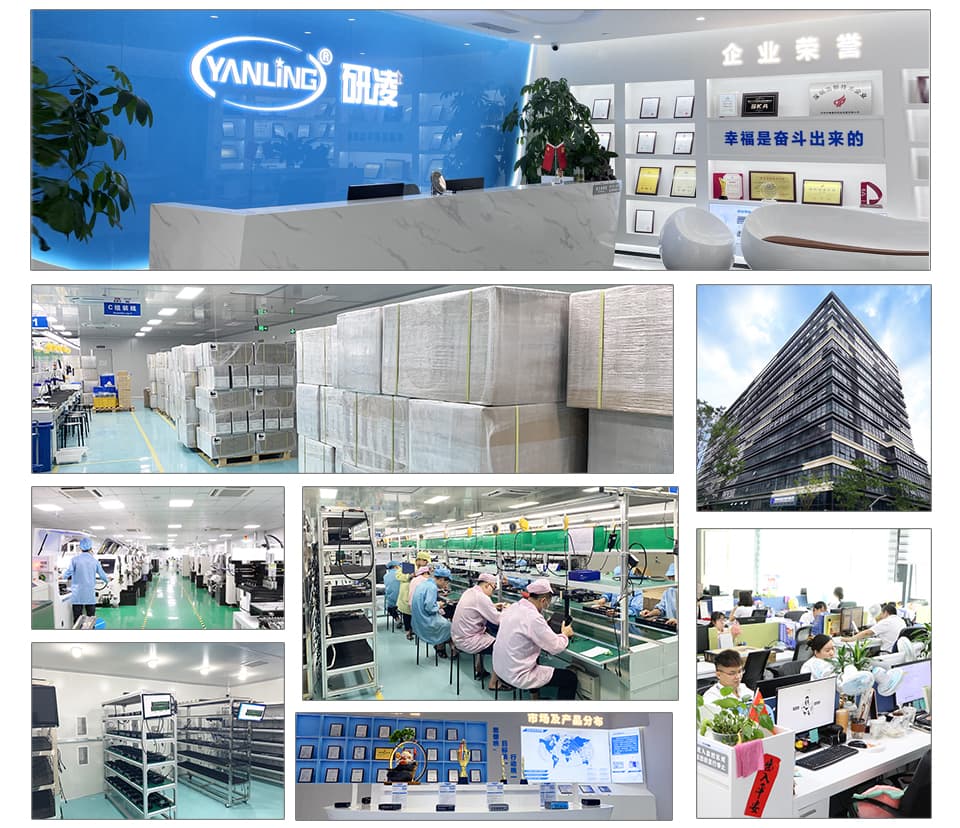
Yanling Industrial Computer Technology (Shenzhen) Co., Ltd
Industrial computers are often deployed in automation equipment, network systems, machine vision and other applications where stable operation matters. Product quality therefore depends on more than the components used. It also requires controlled assembly, functional verification and appropriate reliability testing.
At YANLING, quality inspection is integrated into the manufacturing process. From incoming components to finished systems, we apply relevant inspection and testing procedures to help verify product configuration, functionality and operating stability before shipment.
| Quality Stage | Inspection Focus | Purpose |
|---|---|---|
| Incoming Inspection | Components, specifications and appearance | Check incoming materials against requirements |
| PCB & Motherboard Testing | Board assembly and basic functions | Identify potential board-level issues |
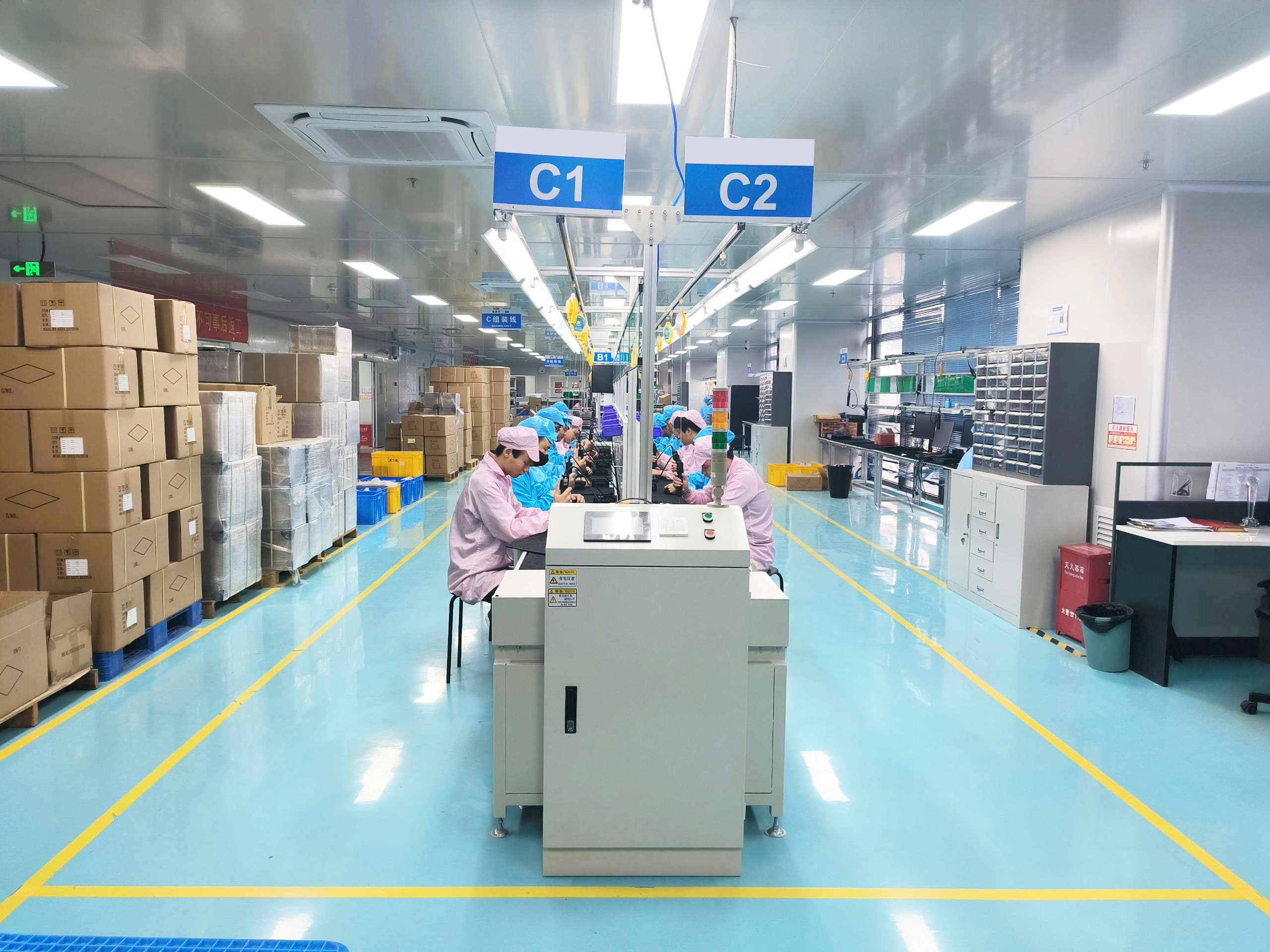
| Assembly Inspection | Installation, connections and workmanship | Verify correct system integration |
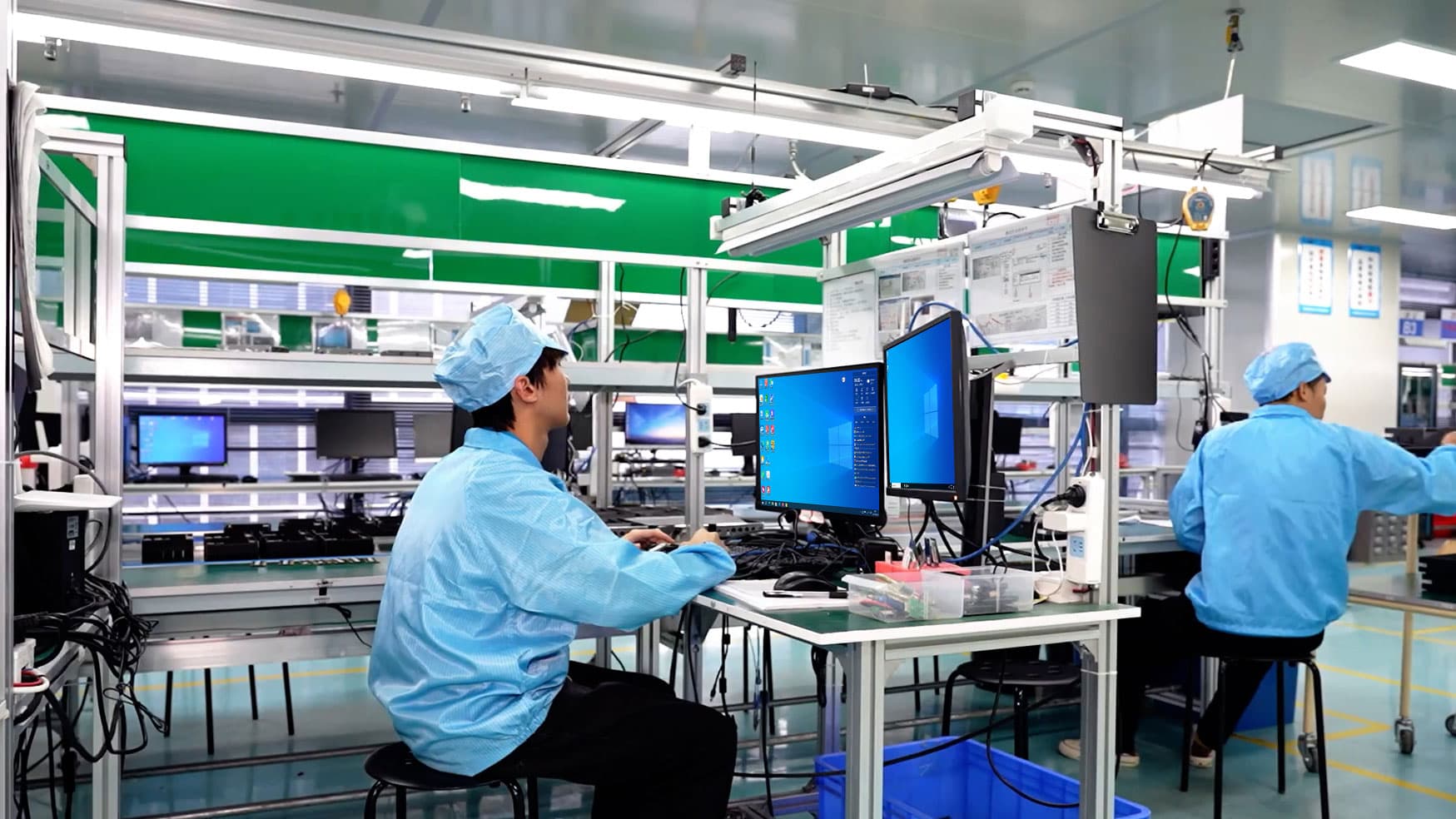
| Functional Testing | Startup, interfaces, network and system operation | Confirm key product functions |
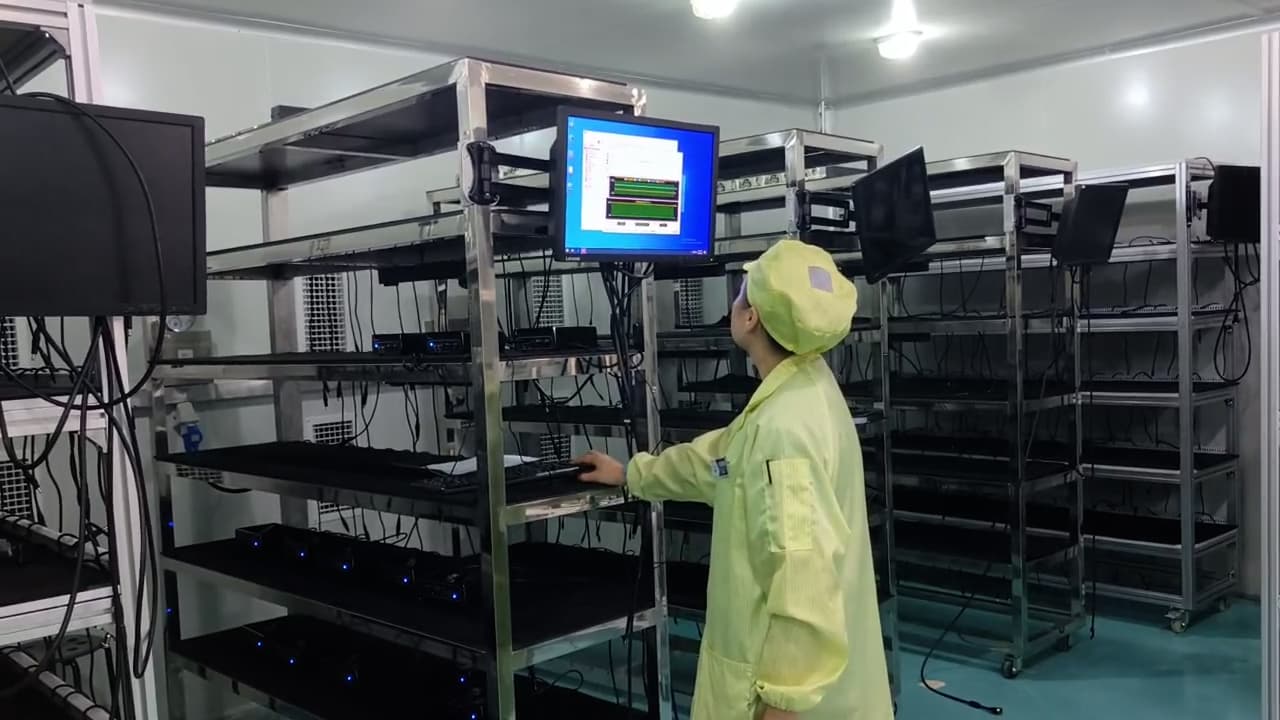
| Aging & Reliability Testing | Continuous operation under defined test conditions | Help identify early-stage failures |
| Final Inspection | Appearance, configuration and order details | Verify product readiness before shipment |
Quality control begins with incoming materials. Components and parts are checked against the relevant specifications and project requirements before they enter production.
Inspection focuses on material specifications, model consistency, visible condition and other applicable acceptance criteria. This helps prevent incorrect or unsuitable materials from moving into the manufacturing process.
The motherboard is a critical part of an industrial computer. Board-level inspection and testing help verify assembly quality and basic electrical and functional performance before the board is integrated into the complete system.
During system assembly, attention is given to component installation, internal connections, chassis fit and interface alignment. Correct assembly is important for system functionality, mechanical stability and product consistency.
For fanless industrial PCs, thermal components and their contact with the chassis are also important aspects of the assembly process.
After assembly, the complete system is checked according to its configuration and product requirements. Applicable inspection items include:
|
|
The actual test items depend on the product model and its specified interfaces.
Industrial computers may be required to operate for extended periods. Aging tests help evaluate system stability under defined operating conditions and identify potential early-stage failures before products are shipped.
YANLING's factory information describes full-load aging testing as part of its manufacturing and quality assurance process. The applicable test duration and conditions should follow the specific product and approved testing procedure.
Before packaging, finished products undergo final checks based on the order specification. These checks may include:
|
|
This final stage helps ensure that the delivered products match the confirmed order requirements.
For customized industrial computer projects, quality requirements should be confirmed together with the technical specification. YANLING can coordinate product configuration, functional testing and inspection requirements according to the project scope.
Whether you need fanless industrial PCs, embedded computers, Mini PCs, industrial panel PCs or network appliances, we work to maintain a consistent process from engineering confirmation to final inspection.
Choosing an industrial PC manufacturer means evaluating both product performance and manufacturing quality. Contact YANLING to discuss your application, product specifications and inspection requirements.
Talk to our team about your industrial computer project and quality requirements.